
Your postmarket cybersecurity plan, written to pass review and built to run
Every cyber device submission needs a plan for finding and fixing vulnerabilities after launch. We help you write one FDA will accept, then give you the monitoring and disclosure program to back it up.
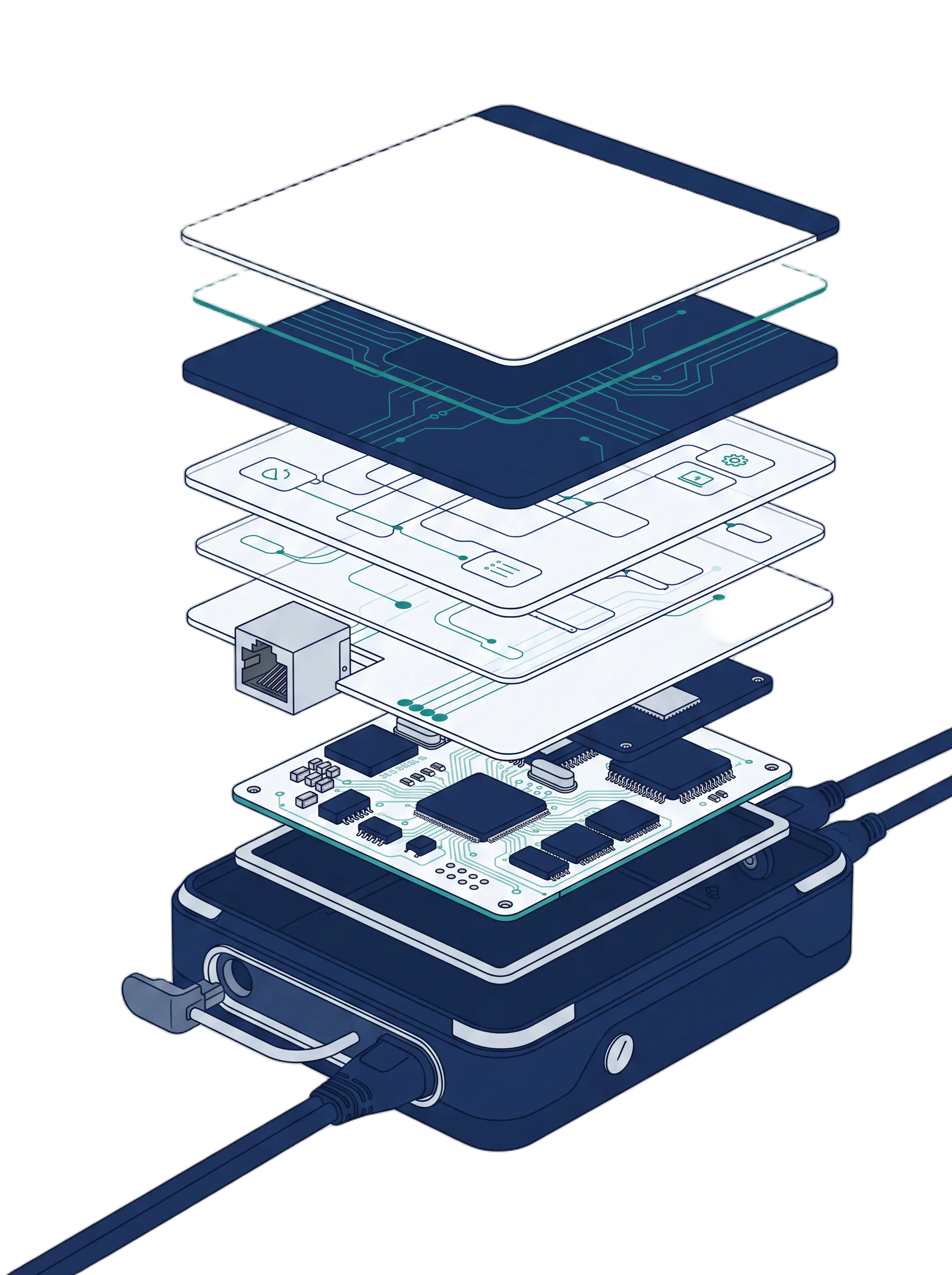
How we help
- Prepare your plan
- Get a license
- Monitor and disclose
- Stay audit-ready
What the law requires
Section 524B(b)(1) requires every cyber device submission to include a plan to monitor, identify and address postmarket vulnerabilities and exploits in a reasonable time.
That includes coordinated vulnerability disclosure. FDA's premarket cybersecurity guidance explains what it expects to see. If the plan is missing or vague, expect a deficiency letter.
What a reviewer looks for in the plan
How you find vulnerabilities:
which sources you watch, tied to your SBOM, and how often
How you assess them:
how you score risk and decide what's "controlled" or "uncontrolled"
How fast you act:
your timelines for patches and for telling customers
How outsiders report issues:
a coordinated vulnerability disclosure policy and contact
How you update devices:
the patching and update process, including for devices in the field
Who owns it:
named roles, and how the plan ties into your quality system
Where plans fail after clearance
After clearance, your plan needs to be put into practice and evaluated for updates. FDA can inspect your management review of processes and plans.
How we help
Prepare your plan
Write or fix the plan for your submission, reviewed by former FDA reviewers.
Get a license
Activate your MedISAO license and connect your device portfolio. Your CVD program and alert feeds go live immediately.
Monitor and disclose
Helm matches your SBOM against new vulnerabilities and sends device-specific alerts.
Helm matches your SBOM against new vulnerabilities and sends device-specific alerts. Your MedISAO license gives you a coordinated disclosure program without building one, under an FDA memorandum of understanding. Participants who meet FDA's conditions may not have to file correction reports under 21 CFR 806.
Stay audit-ready
Guidance updates, training, and documented participation keep your postmarket posture defensible year after year.
FAQ
It's required for every submission for a cyber device under 524B. If your device has software and can connect to the internet, assume it applies.
The SBOM lists your components. The plan says how you'll watch those components for vulnerabilities and what you'll do when one turns up.
You need a coordinated disclosure process. Joining an ISAO such as MedISAO is one way to have one.
This applies to cybersecurity vulnerabilities that pose uncontrolled risk of patient harm. FDA's postmarket guidance says manufacturers should report these vulnerabilities under 21 CFR Part 806, but FDA does not intend to enforce that reporting requirement when all four conditions below are met. This is enforcement discretion, not a blanket exemption. Controlled risks are managed under your postmarket management plan. Other applicable reporting obligations, including Medical Device Reporting under 21 CFR Part 803, still apply.
- There are no known serious adverse events or deaths associated with the vulnerability.
- As soon as possible, and no later than 30 days after learning of the vulnerability, communicate with customers and users, identify interim compensating controls and develop a remediation plan. Document the rationale for the remediation timeline.
- As soon as possible, and no later than 60 days after learning of the vulnerability, validate and distribute a fix or suitable long-term compensating control that brings the risk of patient harm to an acceptable, controlled level. The control must not introduce greater safety risk, and follow-up with users may still be needed.
- Actively participate in an Information Sharing and Analysis Organization (ISAO) that shares medical-device vulnerabilities and threats, and provide the ISAO with customer communications when you notify customers.