

Case study · FDA Cybersecurity Readiness
Medcrypt PMA Remediation Success: Overcoming Major Cybersecurity Deficiencies for Cardiac Device
From Major Deficiencies to PMA Confidence
Read case study
Executive summary
Healthcare technology has the potential to transform care delivery, but its benefits are only as strong as the security that underpins them. This whitepaper explains why healthcare cybersecurity remains uniquely difficult, identifying six systemic constraints that hinder progress across medical device manufacturers (MDMs), healthcare delivery organizations (HDOs), and regulatory agencies.
By framing cybersecurity challenges through economic, operational, and regulatory lenses, this paper clarifies why security debt accumulates across the healthcare ecosystem, and how proactive, secure-by-design strategies can begin to reverse it.
Why it matters
Despite spending $10–20 billion annually on cybersecurity, the healthcare sector consistently ranks among the most targeted and least secure industries. Regulatory fragmentation, economic misalignment, and clinical priorities often push security down the list of business imperatives. As a result, security debt — vulnerabilities that originate from design, integration, or maintenance — is passed downstream to hospitals and patients.
Understanding these constraints is the first step toward systemic reform. This whitepaper provides insight into how industry and regulators can rebalance incentives, reduce security debt, and build sustainable, resilient healthcare technology systems.
Key insights
Go deeper on the topics in this whitepaper with Medcrypt analysis and real device programs.
Case study · FDA Cybersecurity Readiness
From Major Deficiencies to PMA Confidence
Read case study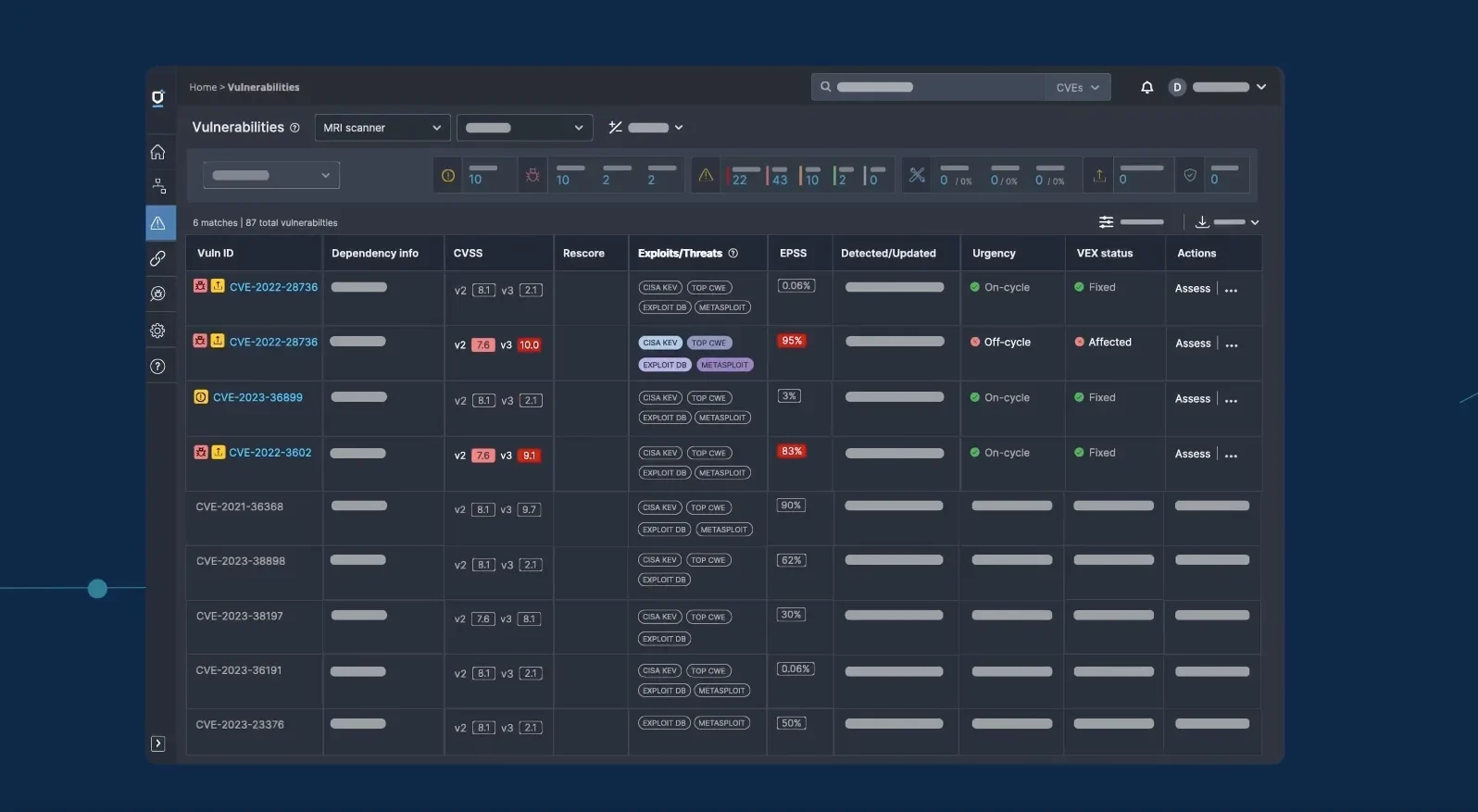
Blog · Tools & Processes
Introduction Helm, developed by Medcrypt, emerges as a robust and precise SBOM (Software Bill of Materials) and Vulnerability Management Tool tailored to identify potential…
Read article
Blog · Cryptography
From Blueprint to Building Code Over the past several weeks, we’ve explored what it takes to build a secure “house” for your medical device - from the early design and development…
Read article